

Centennial, Colorado, experiences a diverse climate characterized by distinct seasonal variations. Understanding these patterns can help residents prepare for weather changes and make informed decisions about outdoor activities and home maintenance.
Seasonal Overview
Winter (December to February)
Winters in Centennial are cold, with average high temperatures around 46°F (8°C) and lows near 19°F (-7°C). Snowfall is common, contributing to the region’s winter landscape. Residents should be prepared for occasional snowstorms and ensure their homes are winterized to handle freezing temperatures.
Spring (March to May)
Spring brings a gradual warming trend. March sees average highs of 55°F (13°C), increasing to 70°F (21°C) by May. This season also marks an uptick in precipitation, with May averaging 2.18 inches (55 mm) of rainfall. It’s an ideal time for planting gardens, but residents should be mindful of late-season frosts that can occur until early May.
Summer (June to August)
Summers are warm and relatively dry. July is typically the warmest month, with average highs reaching 89°F (32°C). While rainfall is less frequent, occasional thunderstorms can occur, often bringing brief but intense downpours. Staying hydrated and protecting against sun exposure are essential during this period.
Autumn (September to November)
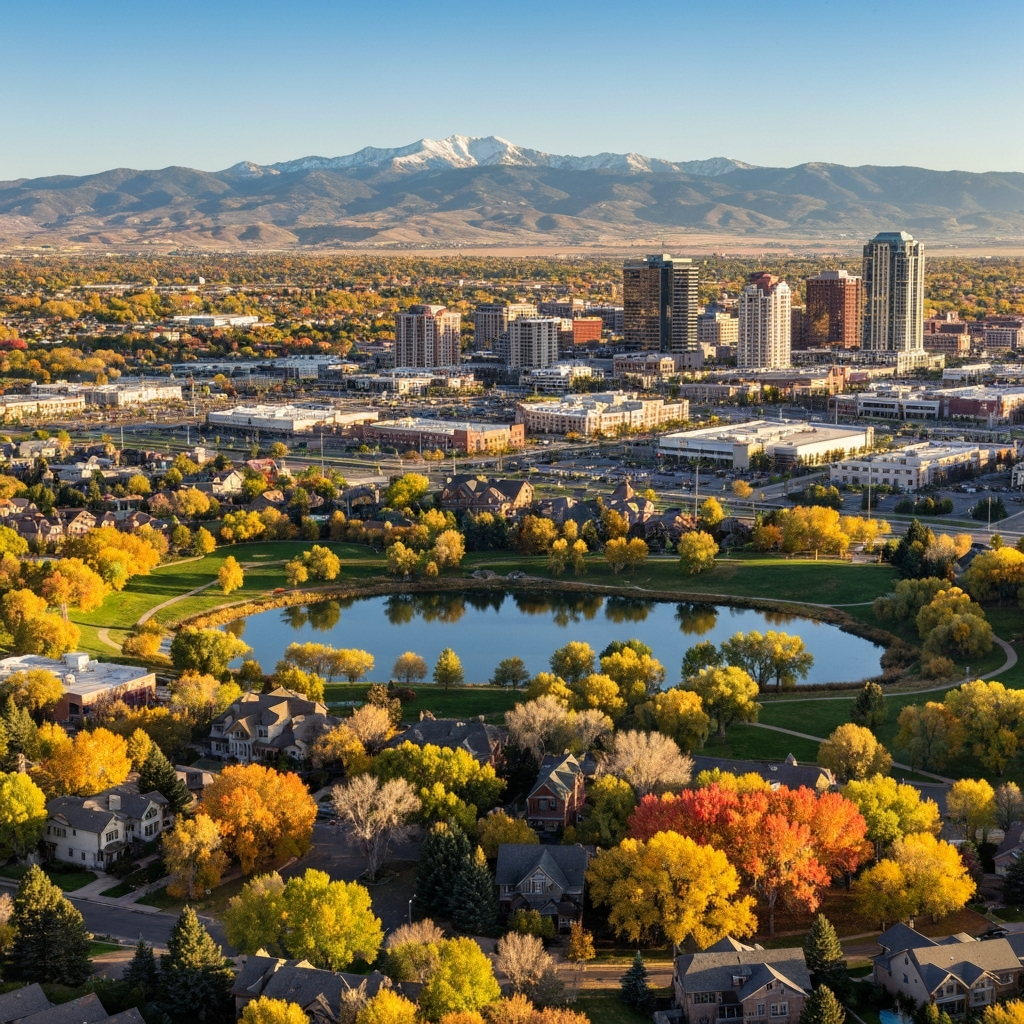
Autumn features cooling temperatures and decreasing daylight. September starts with average highs of 79°F (26°C), dropping to 54°F (12°C) by November. This season is marked by vibrant foliage, making it a popular time for outdoor activities before the onset of winter.
Environmental Considerations
Water Conservation
Centennial’s semi-arid climate means water conservation is crucial. The city offers resources to help residents reduce water usage, including tips on efficient landscaping and information on local recycling programs. More details can be found on the city’s Clean & Green page.
Air Quality
Air quality can vary throughout the year, influenced by factors such as wildfires and weather patterns. Residents are encouraged to stay informed about current air quality conditions and take appropriate precautions, especially during periods of high pollution. The Regional Air Quality Council provides up-to-date information and resources.
Emergency Preparedness
Given the potential for extreme weather events, including snowstorms and thunderstorms, having an emergency preparedness plan is advisable. The city offers guidance on creating emergency kits and developing family communication plans to ensure safety during unexpected events.
By staying informed about Centennial’s climate and utilizing available resources, residents can better navigate the seasonal changes and contribute to a sustainable and resilient community.